


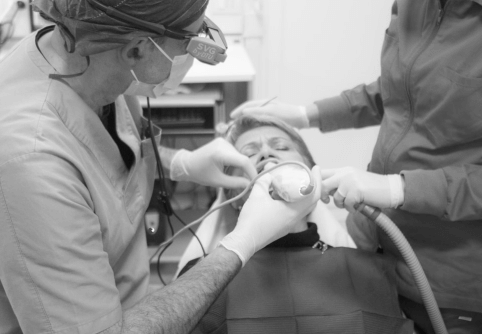
What Is Oral Surgery? Understanding the Full Scope of Services
Oral surgery is a dental specialty that covers procedures ranging from tooth extractions to dental implant placement and corrective jaw treatments. It covers a lot of ground. Understanding the full scope of oral surgery services can help you make confident decisions about your dental care. These surgical interventions address problems that can’t be resolved through fillings, crowns, or other routine dental work. At Taylor Dental, our doctors provide genuine and compassionate care across the full range of oral surgery procedures, from routine extractions to complex implant cases.
The scope of oral surgery varies widely. Simple extractions remove visible teeth that are damaged or decayed beyond repair. For teeth that haven’t fully emerged or have broken at the gum line, surgical extractions are often necessary. If you need replacement teeth, implant placement involves anchoring titanium posts into the jawbone to support permanent crowns. Other procedures include removing cysts, treating infections, and preparing the jaw for dentures.
Many general dentists perform routine extractions and straightforward oral surgery procedures in their practices. More complex cases, like impacted wisdom teeth or full-mouth implant reconstruction, may require referral to an oral surgery specialist. Some practices, including Taylor Dental, offer oral surgery as part of a full list of dental services, which means you can often receive treatment without visiting a separate specialist’s office. Our doctors bring years of clinical experience to every procedure, so you’re in good hands from start to finish.
How Oral Surgery Works: From Consultation to Recovery
Knowing what happens before, during, and after oral surgery helps you feel prepared. Here’s what to expect at each stage.
Your Initial Consultation
The process begins with a detailed exam. The doctor will use CT scans and digital imaging to see the exact position of teeth, roots, nerves, and bone structure. At Taylor Dental, this diagnostic step gives the care team a clear picture for planning and helps identify potential complications before surgery begins.
Building Your Treatment Plan
Based on diagnostic images and your oral health goals, the doctor creates a plan specific to your situation. You’ll discuss the recommended procedure, alternative options if available, and what results to expect. This is also when you’ll review anesthesia and sedation choices and ask any questions you have.
What to Expect on Surgery Day
On the day of your procedure, your comfort is a top priority. Depending on the surgery and your preferences, anesthesia options range from local numbing to sedation that helps you relax throughout treatment. The surgical technique depends on whether you’re having a simple extraction, surgical removal of an impacted tooth, or implant placement. Most people are surprised by how comfortable the experience is.
Post-Operative Care
After your procedure, you’ll receive detailed instructions for caring for the surgical site at home. This includes guidance on managing discomfort, what to eat, and signs that warrant a call to the practice. Follow-up visits let the doctor monitor healing and address any concerns that come up.
Recovery Timeline
Recovery varies by procedure. For simple extractions, expect healing within a few days to a week. Wisdom tooth removal and surgical extractions may require one to two weeks for initial healing. Dental implants need several months for the titanium post to fuse with your jawbone before the final crown is placed, though you can return to normal activities much sooner.
Key Benefits of Professional Oral Surgery Services
Professional oral surgery eliminates sources of pain and infection, prevents future dental complications, and restores full function with long-lasting results. Here’s a closer look at what that means for you.
How Does Oral Surgery Address Pain and Infection?
- Eliminates the source of pain. Damaged, decayed, or impacted teeth can cause persistent discomfort and lead to serious infections. Surgical removal takes care of the root problem rather than masking symptoms.
- Addressing problems like impacted wisdom teeth or infections early stops them from causing more extensive damage to surrounding teeth and bone. Left untreated, a single infected tooth can affect neighboring teeth and even spread bacteria to other parts of the body. That’s why early intervention matters so much.
- Receiving oral surgery at your regular dental practice also means fewer visits to unfamiliar offices and continuity of care with a team that already knows your history.
How Do Implants Protect Your Oral Health Long-Term?
- Restores full function. Dental implants replace missing teeth and work like natural ones, so you can eat what you want and smile with confidence again.
- When teeth are missing, the jawbone begins to deteriorate over time. Implants stimulate the bone just like natural tooth roots, which helps maintain jaw structure and facial shape.
- Modern surgical techniques and technology, including CT scans for precise planning, also minimize tissue trauma and speed healing. That means less downtime and a faster return to your daily routine.
Tooth Extractions vs. Dental Implants: Comparing Your Oral Surgery Options
When a tooth is severely damaged or missing, you have several treatment paths. Here’s how they compare.
| Factor | Simple Extraction | Surgical Extraction | Dental Implant |
|---|---|---|---|
| What It Treats | Visible teeth that are damaged or decayed | Impacted teeth, broken roots, or teeth below the gum line | Missing teeth requiring permanent replacement |
| Procedure Time | Usually under an hour | May take an hour or longer | Multiple visits over several months |
| Initial Recovery | 2-3 days | 1-2 weeks | 1-2 weeks after surgery; full healing 3-6 months |
| Tooth Replacement | Requires separate bridge, partial, or implant | Requires separate replacement option | Includes replacement crown |
| Long-Term Outcome | Empty space may lead to shifting teeth and bone loss | Same as simple extraction | Preserves bone and functions like natural tooth |
When Is Extraction Alone the Right Choice?
For wisdom teeth or teeth that don’t need replacement, extraction alone may be sufficient. The doctor will discuss whether the space needs to be filled to prevent other teeth from shifting.
When Should You Consider Implants?
If you’re losing a tooth in a visible area or one that’s important for chewing, an implant provides the most natural-feeling, longest-lasting replacement. Unlike dentures or bridges, implants don’t rely on neighboring teeth for support and help maintain jawbone density.
Implants vs. Other Replacement Options
Dentures and partials are removable and more affordable upfront but require ongoing adjustments over time. Bridges are fixed in place but require altering healthy adjacent teeth. Implants cost more initially but often prove more economical over a lifetime due to their durability. The doctor can help you weigh these options based on your specific situation and budget.
What Affects the Cost of Oral Surgery?
Oral surgery costs vary based on several factors. Understanding these helps you plan financially and avoid surprises.
| Cost Factor | Impact on Price |
|---|---|
| Procedure Type | Simple extractions cost less than surgical extractions; implants involve higher fees due to materials and multiple visits |
| Bone Grafting | If jawbone density is insufficient for implants, grafting adds to the total cost |
| Anesthesia and Sedation | Local anesthesia is typically included; IV sedation or general anesthesia increases fees |
| Number of Teeth | Multiple extractions or implants increase the total |
| Diagnostic Imaging | CT scans and 3D imaging may be separate charges |
Worth noting: costs can also shift depending on whether you need any pre-surgical treatments, like treating an active infection before an extraction can move forward.
How Can You Manage Oral Surgery Costs?
Many dental insurance plans cover a portion of oral surgery costs, particularly for medically necessary extractions. Implants may have limited coverage since some plans classify them as elective. Taylor Dental offers an in-house dental savings plan and financing options for those without insurance, so it’s worth asking about what’s available during your consultation.
A consultation provides personalized cost estimates based on your specific treatment needs. The dental team can also help you understand your insurance benefits and explore payment plans that fit your budget.
Who Is a Good Candidate for Oral Surgery Services?
Good candidates for oral surgery include people with impacted wisdom teeth, severely damaged teeth, missing teeth, jaw infections, or those preparing for dentures. If any of the following apply to you, oral surgery may be the right next step.
- Impacted wisdom teeth. Teeth that haven’t fully emerged or are growing at an angle can cause pain, infection, and damage to adjacent teeth. This is one of the most common reasons for oral surgery among younger adults.
- Severely decayed or damaged teeth. When a tooth can’t be saved with a filling, crown, or root canal, extraction prevents infection from spreading.
- You may also be a candidate if you have missing teeth you’d like to replace permanently with dental implants, or if you’re dealing with infections, abscesses, or cysts in the jaw that require surgical treatment.
- Some people need extractions or bone reshaping before dentures can fit properly. That preparation is a form of oral surgery, too.
Health Factors to Consider
Good candidates are generally in stable overall health. Conditions like uncontrolled diabetes, certain heart conditions, or medications that affect blood clotting may require special precautions. For dental implants specifically, adequate jawbone density is necessary, though bone grafting can build up insufficient bone in many cases.
A consultation that includes CT scans and a review of your full health history helps determine whether you’re a good candidate and what precautions your treatment requires. At Taylor Dental, the team reviews your overall health before recommending any surgical procedure. If you’re considering oral surgery, scheduling a consultation is the best place to start.
Frequently Asked Questions About Oral Surgery
Is oral surgery painful?
Not during the procedure. Modern anesthesia keeps you comfortable throughout, so you shouldn’t feel pain, though you may sense pressure or movement. After surgery, some discomfort is normal as the anesthesia wears off. It passes quickly for most people. Over-the-counter medications are usually enough within a day or two, and the doctor will recommend appropriate pain management for your specific procedure.
How long does recovery take after a tooth extraction?
Simple extractions typically allow you to return to normal activities within a day or two, with full healing in about a week. For surgical extractions, including wisdom tooth removal, plan on several days of rest. The site may take one to two weeks to fully heal. Following your post-operative instructions carefully makes a real difference in how quickly you recover.
Can dental implants be placed the same day as an extraction?
In some cases, yes. Immediate implant placement is possible when the extraction site has adequate bone and no active infection. During your consultation, the doctor will determine whether same-day placement is appropriate for your situation or whether the site needs time to heal first.
What should I eat after oral surgery?
Stick to soft, cool foods for the first few days. Good options include yogurt, applesauce, mashed potatoes, smoothies, and lukewarm soup. Avoid hot foods and drinks, anything crunchy or chewy, and don’t use a straw. The suction can dislodge the healing blood clot, which slows recovery and can lead to a painful condition called dry socket.
When should I seek emergency care after a procedure?
Contact your dental practice if you experience heavy bleeding that doesn’t stop with pressure, severe pain that isn’t controlled by prescribed medication, signs of infection like fever or increasing swelling after the first few days, or numbness that persists beyond 24 hours. Your care team is there to help if you have any concerns during your recovery.
Have questions about oral surgery? We’d love the opportunity to help take care of your smile. A consultation gives you answers specific to your situation and helps you feel confident about what comes next. Request your visit to get started.