


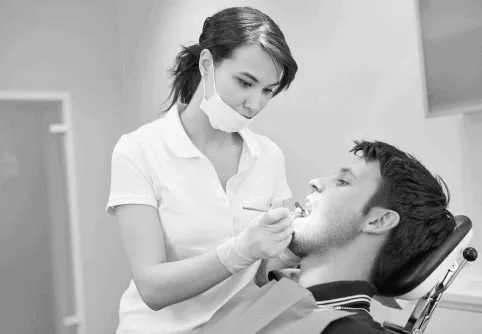
What Are Modern Dentures? Tooth Replacement Options in Pensacola, FL
Modern dentures are custom prosthetic devices designed to replace missing teeth and the surrounding gum tissue. If you’re exploring dentures in Pensacola, FL, you should know that today’s versions look and feel nothing like the bulky, obvious options your grandparents might have worn. Better materials and digital precision now make it possible to create restorations that look remarkably natural and feel comfortable throughout your day.
When you’re missing several teeth or facing the prospect of tooth loss, you have more options than ever before. The three main types include full dentures for complete tooth replacement, partial dentures when you still have healthy teeth remaining, and implant-supported dentures that anchor securely to dental implants for maximum stability.
So what actually sets modern dentures apart from older versions? The materials are lighter and more durable. Digital impressions capture every detail of your mouth for a precise fit. And the craftsmanship focuses on matching your natural tooth color, shape, and gum tone so your smile looks authentic, not artificial.
At Taylor Dental in Pensacola, our doctors use CT scans and digital imaging to plan your treatment with accuracy, helping you achieve results that restore both function and confidence. We want every patient to leave with a smile they feel good about, so we invest in the tools and training that make better outcomes possible.
How the Denture Process Works: From Consultation to Custom Fit
Getting dentures isn’t a one-visit procedure. It’s a carefully planned process that ensures your final restoration fits your mouth perfectly. Here’s what you can expect:
- Initial consultation and examination. Your first visit includes a thorough oral exam. Your doctor will evaluate your remaining teeth, gum health, and jawbone structure. Digital imaging and CT scans provide detailed views that help shape your treatment plan. Doctors with training in restorative dentistry can identify potential issues early and recommend the best path forward based on your specific anatomy.
- Impressions and measurements. Whether using digital scanning technology or traditional molds, your dental team captures the exact contours of your mouth during this step. Precise measurements ensure your dentures will fit snugly and function properly. Even small discrepancies at this stage can affect comfort later, which is why accuracy matters so much here.
- Try-in visit. Before your final dentures are completed, you’ll try on a preliminary version. The team checks your bite alignment, verifies the aesthetics, and makes sure everything feels right. You’ll have a chance to weigh in on how the teeth look and whether the color and shape match your expectations. This is one of the most important steps, and rushing it leads to problems down the road.
- Final fitting. Once your custom dentures are ready, you’ll return for the final fitting. Small adjustments fine-tune the fit for the best possible comfort and function.
- Follow-up visits. Your gums will change shape as they heal and adapt to your new teeth. Relines and adjustments during follow-up visits keep your fit comfortable over time. Most patients need at least one or two adjustments in the first few months, and that’s completely normal. Your dental team should encourage you to come back any time something feels off rather than trying to tough it out.
Many modern dental practices offer same-day relines and repairs. You won’t have to go without your dentures for days while waiting for adjustments.
The entire process typically takes three to six weeks from your first visit to walking out with your finished dentures. Some patients with specific needs may require extra time for preparatory procedures like extractions or gum healing.
Benefits of Choosing Dentures: More Than Just a New Smile
Dentures do far more than fill in gaps. They restore your ability to chew comfortably, help you speak more clearly, support your facial structure, and give you a reason to smile without hesitation. The durability of today’s materials means these benefits last for years with proper care.
How Do Dentures Help You Eat Better?
Missing teeth make chewing difficult and often painful. Dentures give you back the ability to enjoy a wider range of foods, from fresh vegetables to your favorite proteins. Many people don’t realize how much they’ve been compensating until they can actually bite into an apple again. Patients at Taylor Dental frequently tell us that eating comfortably again is the single biggest improvement they notice.
Speech Gets Clearer
Teeth play a big role in forming certain sounds. When teeth are missing, speech can become slurred or unclear. Dentures help you pronounce words properly again, which makes a real difference in daily conversations and professional settings alike. Certain consonant sounds, particularly “th,” “f,” and “s,” depend on your teeth being in the right position, so replacing missing teeth can noticeably sharpen your speech.
What About Confidence and Appearance?
There’s something powerful about smiling without hesitation. When you’re no longer self-conscious about gaps or damaged teeth, you naturally engage more with the people around you. Tooth loss also causes the jawbone to shrink over time, leading to a sunken, aged appearance. Dentures help maintain your facial contours and prevent this premature aging effect, so the benefits go deeper than what people see when you smile.
Built to Last: Durability of Today’s Dentures
Today’s denture materials are lightweight yet strong. They resist staining better than older versions and hold up well to daily wear. With proper care, your dentures will serve you for years before needing replacement. The difference in quality between economy and premium materials is noticeable, both in how they look and how they feel. Premium options use layered acrylic and individually characterized teeth that mimic the subtle color variations found in natural smiles, while economy versions tend to look more uniform and less lifelike.
Full Dentures vs. Partial Dentures vs. Implant-Supported Dentures: Which Is Right for You?
Each type of denture serves a different situation, and the right choice depends on how many teeth you’re missing, the health of your remaining teeth, and how much stability you want. Here’s how they compare.
What Are Full Dentures?
Full dentures replace all teeth in an upper or lower arch. They rest directly on your gums and stay in place through natural suction or denture adhesive. Full dentures work well for patients who have lost all their teeth or need remaining teeth extracted.
What Are Partial Dentures?
If you still have some healthy natural teeth, partial dentures fill in the gaps. They attach to your existing teeth using metal clasps or precision attachments that are less visible. Partials help preserve your remaining teeth by preventing them from shifting into empty spaces, which is a problem that gets worse the longer gaps go unfilled.
What Are Implant-Supported Dentures?
For patients seeking maximum stability, implant-supported dentures anchor to dental implants surgically placed in your jawbone. These dentures don’t slip or shift during eating or speaking. They also stimulate the jawbone, helping prevent bone loss that occurs with traditional dentures. Many patients describe the difference as night and day compared to conventional options.
| Feature | Full Dentures | Partial Dentures | Implant-Supported |
|---|---|---|---|
| Best for | Complete tooth loss | Some teeth remaining | Maximum stability |
| Stability | Moderate (adhesive helps) | Good (clasps to teeth) | Excellent (fixed to implants) |
| Bone preservation | Minimal | Moderate | Excellent |
| Maintenance | Daily cleaning, periodic relines | Daily cleaning, relines | Regular dental visits |
| Typical lifespan | 5 to 7 years on average | 5 to 10 years with proper care | 10 years or longer in many cases |
| Cost | Lower | Moderate | Higher |
You can compare implant and traditional options side by side when you visit your dentist in Pensacola. If you start with traditional dentures, you may have the option to upgrade to implant-supported versions later, so you’re not locked into one path.
What Do Dentures Cost? Key Factors That Affect Pricing
The cost of dentures depends on the type you choose, the materials used, and any preparatory procedures you may need. Full dentures tend to be the most affordable option, while implant-supported dentures represent a higher investment due to the surgical component. Partial dentures fall somewhere in between. Understanding these variables helps you plan and make informed decisions about your care.
How Does the Type of Denture Affect Cost?
Full dentures, partial dentures, and implant-supported dentures each fall into different price ranges. Implant-supported options require surgical placement of implants, which adds to the total investment. Even within each category, there’s a range depending on the materials and level of customization involved.
Does Material Quality Change the Price?
Economy dentures use standard acrylic and may not match your natural appearance as closely. Premium materials offer better aesthetics, improved durability, and a more comfortable fit. The difference shows up in the details: how the gum-colored base blends with your tissue, how the teeth reflect light, and how the restoration holds up after a year or two of daily use. You can usually see and feel the gap in quality when comparing options in person.
What About Preparatory Procedures?
Some patients need extractions, gum treatment, or bone grafting before receiving dentures. These additional procedures affect your total cost.
Insurance and Payment Options
Many dental insurance plans cover a portion of denture costs, particularly for standard options. Check with your provider to understand your specific benefits. For patients without insurance, practices in Pensacola, FL, like Taylor Dental, offer an in-house dental savings plan that can make quality dentures more accessible. Payment plans spread costs over time so the financial side doesn’t hold you back.
The best way to understand your personal investment is through a consultation. During your visit, the team can evaluate your needs and provide a detailed cost estimate based on your specific treatment plan.
Are You a Good Candidate for Dentures? Signs It May Be Time
Several situations suggest dentures might be a good fit. Good candidates typically include people with multiple missing teeth, teeth too damaged to save, advanced gum disease, or ongoing difficulty eating and speaking comfortably.
- Multiple missing teeth. If you’ve lost several teeth to decay, injury, or gum disease, dentures can restore your ability to eat and speak comfortably.
- Teeth too damaged to save. Sometimes teeth are so compromised by decay or fractures that extraction and replacement make more sense than repeated repairs. When you’ve already had multiple root canals, crowns, and retreatments on the same teeth, there’s a point where starting over is the smarter investment.
- Chronic gum disease. Advanced periodontal disease loosens teeth and destroys supporting bone. When teeth become unstable, dentures offer a stable, reliable replacement.
- Difficulty eating or self-consciousness about your smile. If you’re avoiding foods you love because chewing hurts, or hiding your teeth in photos and conversations, it affects your quality of life in ways that add up. Dentures give you a reason to smile again.
Good general health supports the healing process, especially if extractions are needed. Patients with conditions like diabetes can still receive dentures but may need extra planning to ensure proper healing.
For implant-supported dentures, adequate jawbone density is essential. CT scans help evaluate whether your bone can support implants or if bone grafting might be necessary first.
The only way to know for certain which option suits you best is through a professional evaluation. Doctors with advanced training in restorative care, like the team at Taylor Dental in Pensacola, can assess your oral health, discuss your goals, and recommend the most appropriate solution.
Frequently Asked Questions About Dentures
How long does it take to get dentures?
The complete denture process typically takes three to six weeks from your first consultation to receiving your finished dentures. This timeline allows for proper impressions, try-in visits, and any necessary adjustments. Patients requiring extractions or other preparatory work may need additional healing time before the final restoration is placed.
Can I sleep with my dentures in?
It’s best not to. Doctors generally recommend removing your dentures at night. Giving your gums several hours of rest helps prevent irritation and reduces the risk of fungal infections. Soaking your dentures overnight in a cleaning solution keeps them fresh and maintains their shape.
How long do dentures last?
Most dentures last between five and ten years with proper care. Your mouth continues to change over time, though. Relines that adjust the fit of your denture base may be needed every year or two to maintain comfort as your gums and bone naturally shift. According to the American College of Prosthodontists, roughly 40 million Americans are missing all of their teeth, making dentures one of the most common restorative solutions in dentistry today.
Do dentures look natural?
Yes. Today’s dentures are custom-crafted to match your gum color, tooth shape, and overall facial appearance. The materials mimic the translucency of natural teeth, and careful craftsmanship ensures your smile looks authentic. Most people won’t be able to tell you’re wearing them.
Can dentures be converted to implant-supported later?
Many patients start with traditional dentures and later upgrade to implant-supported versions for added stability. This approach lets you restore your smile now and invest in implants when you’re ready. Your doctor can design your initial dentures with future implant support in mind, so the transition is smooth when the time comes.
What should I do if my dentures feel loose?
Loose dentures are a common issue as your mouth changes over time. Don’t ignore the problem. Schedule a visit for a reline or adjustment. Continuing to wear ill-fitting dentures can cause sore spots, difficulty eating, and accelerated bone loss. Most relines can be completed the same day, so you won’t be without your restoration for long.
How do I care for my dentures?
Clean your dentures daily with a soft brush and denture cleanser, and avoid regular toothpaste, which can scratch the surface. Rinse them after eating and soak them overnight. Brush your gums and any remaining teeth to maintain overall oral health. Your dental team in Pensacola can walk you through proper denture maintenance during your visits and answer any questions that come up along the way.